
Running an ecommerce website is competitive. Even if you have excellent products, competitive prices, and a professional online store, customers still need to find you through search engines. This is where SEO becomes important, and backlinks can play a valuable role in building your website’s authority and visibility.
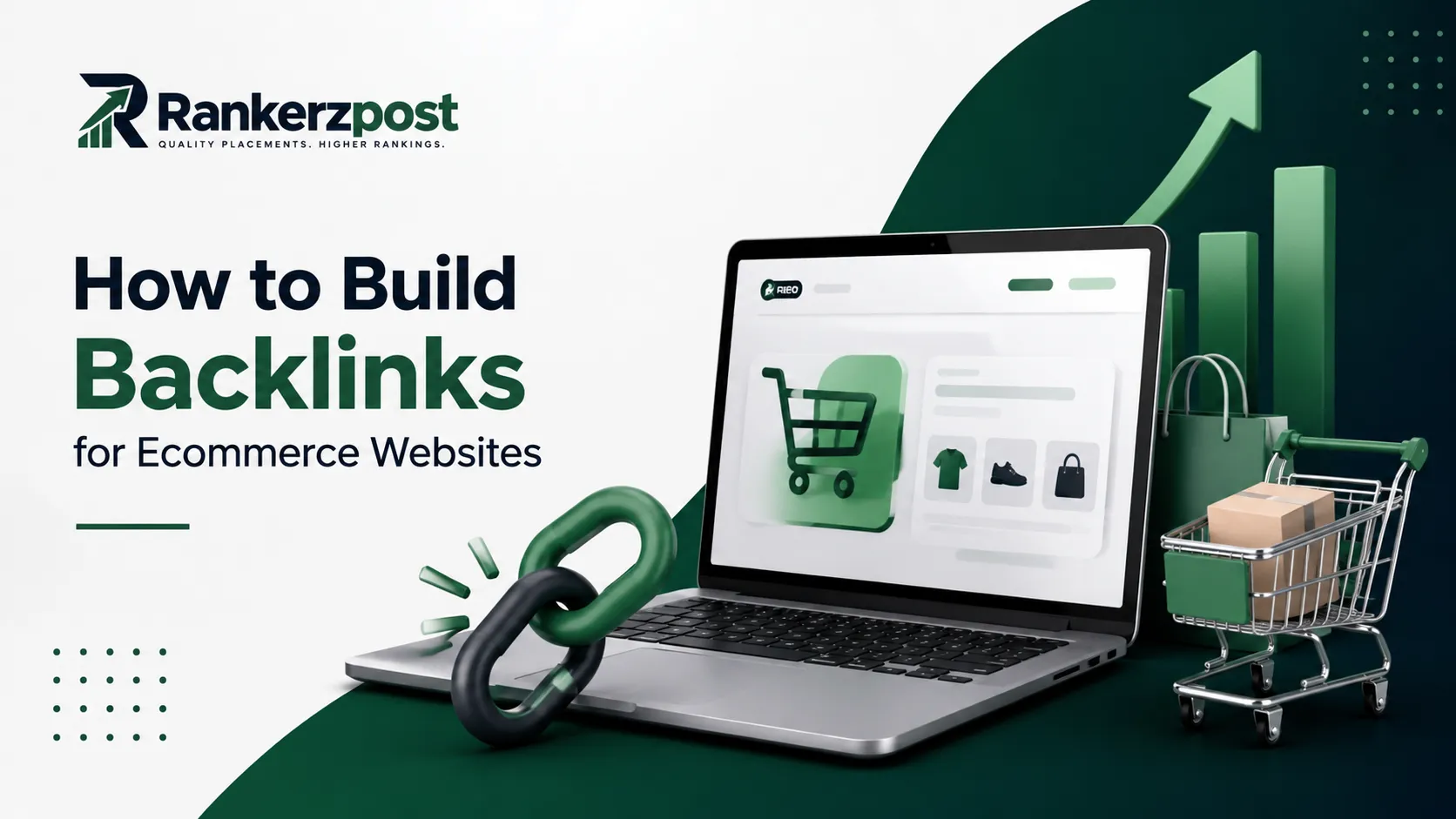
If you are wondering how to build backlinks for ecommerce, the answer is not simply to collect as many links as possible. Successful ecommerce link building focuses on relevant websites, useful content, genuine relationships, and links that can provide both SEO value and referral traffic.
What Are Ecommerce Backlinks?
An ecommerce backlink is a link from another website to your online store. The link may point to your homepage, product page, category page, buying guide, or blog article.
For example, a fashion website might publish an article about choosing winter clothing and link to a relevant clothing store. That external link is a backlink.
Backlinks can help search engines understand that other websites consider your content or products useful. However, quality and relevance matter. A relevant link from a trusted website is generally more valuable than numerous links from unrelated or low-quality websites.
Why Backlinks Matter for Ecommerce Websites
Ecommerce websites often have many product and category pages, but these pages are not always easy to earn natural links to. Informational content such as buying guides, tutorials, research, and useful resources can be easier for other websites to reference.
A strong backlink strategy can help an ecommerce business:
- Increase online visibility
- Strengthen website authority
- Attract referral visitors
- Support important product and category pages
- Build brand awareness
- Improve the overall SEO profile
The goal should be to build a natural backlink profile gradually rather than relying on shortcuts.
1. Create Content People Want to Link To
One of the most effective answers to how to build backlinks for ecommerce is to create link-worthy content.
Product pages are designed to generate sales, so publishers may not naturally link to them. Instead, create useful resources that solve problems for your audience.
Examples include:
- Product comparison guides
- Buying guides
- Industry statistics
- Original research
- Tutorials
- Product-selection checklists
- Expert guides
- Frequently asked questions
For example, if you sell fitness equipment, you could create a detailed guide explaining how to choose the right home workout equipment. Fitness bloggers and websites may find the resource useful enough to reference.
2. Build Links Through Guest Posts
Guest posting can help ecommerce brands reach relevant audiences while earning backlinks.
Find websites that publish content related to your products or industry. Offer an original, useful article that matches their audience. Where appropriate, include a natural link to a relevant resource on your ecommerce website.
Avoid publishing low-quality articles on unrelated websites simply to obtain backlinks. Relevance should always be a priority.
3. Connect With Suppliers and Manufacturers
Ecommerce businesses often have relationships with manufacturers, suppliers, distributors, and business partners.
Check whether these companies maintain partner pages, retailer directories, stockist pages, or customer showcases. If your business genuinely qualifies, you may be able to earn a relevant backlink.
These links can be especially useful because they are connected to your actual business relationships.
4. Use Product Reviews and Industry Outreach
Product reviews can create valuable opportunities for ecommerce brands.
Identify bloggers, publishers, influencers, and websites that genuinely cover your product category. If your product is relevant to their audience, you can introduce it for consideration.
The objective should be to provide something genuinely useful rather than demanding a backlink. If a publisher chooses to mention your product, the resulting link can bring both referral traffic and brand exposure.
5. Recover Unlinked Brand Mentions
Sometimes websites mention an ecommerce brand without linking to it.
Search for mentions of your company name, product name, or unique brand assets. When you discover a relevant unlinked mention, contact the website owner and politely ask whether they would consider adding a link.
This approach can be easier than creating an entirely new backlink opportunity because the publisher already knows about your brand.
6. Find Broken Link Opportunities
Broken-link building is another strategy ecommerce websites can use.
Look for relevant industry pages that contain links to resources that no longer exist. If you have a useful page that provides a suitable replacement, contact the website owner and suggest your resource.
The replacement should genuinely satisfy the same need as the original content. This makes your outreach more useful and less promotional.
7. Use a Backlink Marketplace Carefully
Another option is to use a backlink marketplace to discover publishing opportunities.
RankerzPost provides a marketplace where users can search publisher websites by factors such as niche, authority metrics, traffic, country, and budget. The platform also allows buyers to review available website information before selecting an opportunity.
For ecommerce businesses, this can make it easier to find websites relevant to their industry instead of manually searching for every publishing opportunity.
However, always evaluate relevance and website quality before choosing a backlink.
8. Focus on Quality Instead of Quantity
A common mistake in ecommerce SEO is believing that more backlinks automatically means better rankings.
That approach can lead to irrelevant or low-quality links. Instead, prioritize websites that are relevant to your niche, have useful content, and attract a genuine audience.
Your backlink profile should also develop naturally over time. Avoid automated link schemes, spammy websites, and excessive keyword-focused anchor text.
Final Thoughts
Learning how to build backlinks for ecommerce requires a strategic approach. Start by creating valuable content, building industry relationships, earning product mentions, contributing useful guest posts, recovering unlinked mentions, and finding relevant publishing opportunities.
Most importantly, remember that backlinks are only one part of ecommerce SEO. Your website also needs useful product pages, strong internal linking, good technical performance, and content that satisfies search intent.